
The difference isn’t about quality. A standard headshot, done well, is a quality photograph and so is leadership portrait photography. The difference is in what each one is asked to do.
A standard headshot has one job: represent the person accurately and professionally. Clean background, good light, confident expression. It says: this person is credible, approachable, worth calling. For most team members at most firms, that’s exactly what’s needed and nothing more.
Leadership portrait photography has a second job on top of that. It has to convey authority… not just that this person is competent, but that they are the person in the room whose judgment matters. That’s a different brief, and it requires different decisions.
Environment as Credential
The most significant difference between headshots and leadership portrait photography is often the setting. A headshot places the subject against a neutral backdrop where the background is deliberately absent so nothing competes with the person. A leadership portrait places the subject in context utilizing an office, a boardroom, or a window with a city view… because the environment itself carries information.
A managing partner photographed in their office, surrounded by the physical evidence of a career, reads differently than the same person against a grey backdrop. The environment signals: this person belongs here. They have earned this space. The setting becomes a silent credential.
This doesn’t mean every senior partner needs an environmental portrait. It means the decision about whether to use one is a strategic choice, not an aesthetic preference.
A leadership portrait appears on the firm’s homepage, in pitch decks, at speaking engagements, and in press placements. It also appears on LinkedIn, where profiles with professional photos receive 21 times more views than those without. For a senior partner, that portrait is the most-seen image they will ever have taken. Treating it as an afterthought to the team shoot is a common mistake with a visible and measurable cost.
Crop and Psychological Distance
As explored in an earlier post on portrait psychology, crop determines the psychological distance between subject and viewer. A tight crop creates familiarity where the viewer feels close and the subject feels approachable. A wider crop creates space… the subject has room, presence, authority.
For a business development attorney or a client-facing advisor, familiarity is an asset. For a named partner whose reputation precedes them, a wider crop often serves better. The portrait needs to match the role the person plays in the firm’s client relationships… not just how they look, but how they need to be perceived.
Posture, Positioning and the Body
A standard headshot is typically cropped at the shoulders. The body is largely absent. Leadership portrait photography often includes more of the person, from three-quarter length to full length in context, because posture and positioning carry authority signals that a tight crop eliminates.
How someone occupies a chair. Where they place their hands. Whether they lean forward or sit back. These aren’t vanity details. They’re communication. A senior partner who projects calm authority in person should project the same thing in their portrait. Getting there requires more time, more direction, and more deliberate choices than a standard headshot allows.
The Practical Implications
Leadership portrait photography takes longer. Not dramatically longer, but the pre-shoot conversation is more involved, the location considerations are more complex, and the number of setups is typically greater. Expecting to produce a genuine leadership portrait in the same five to ten minutes allocated for team headshots is how firms end up with portraits that look like expensive headshots rather than portraits that do the job they were intended to do.
The investment is different. So is the return. A managing partner’s portrait appears on the firm’s homepage, in pitch decks, in press placements, at speaking engagements. It does more work than any other image the firm produces. Treating it as an afterthought to the team shoot is a common mistake with a visible cost.
Frequently Asked Questions
A headshot represents the person accurately and professionally against a neutral background. A leadership portrait does that and more — it conveys authority, context, and the specific role the person plays within the firm. The setting, the crop, and the posture all carry information that a standard headshot deliberately omits.
Not always, but usually. A neutral backdrop removes context — which is appropriate for most team members. For senior partners and executives, context is a credential. An office, a boardroom, or a window with a city view signals that this person belongs in a position of authority in a way that a seamless backdrop cannot replicate.
Longer than a standard headshot. On average budget at least thirty to forty-five minutes per subject, more if multiple locations or setups are involved. The pre-shoot conversation about positioning, environment, and intended use is part of the session. Rushing a leadership portrait produces an expensive headshot, not a portrait.
Not necessarily — it depends on the role and how the image will be used. Partners who appear regularly in press, pitch decks, or speaking engagements benefit most from a leadership portrait. Client-facing advisors whose primary job is approachability may be better served by a well-executed standard headshot. The decision should be deliberate, not default.
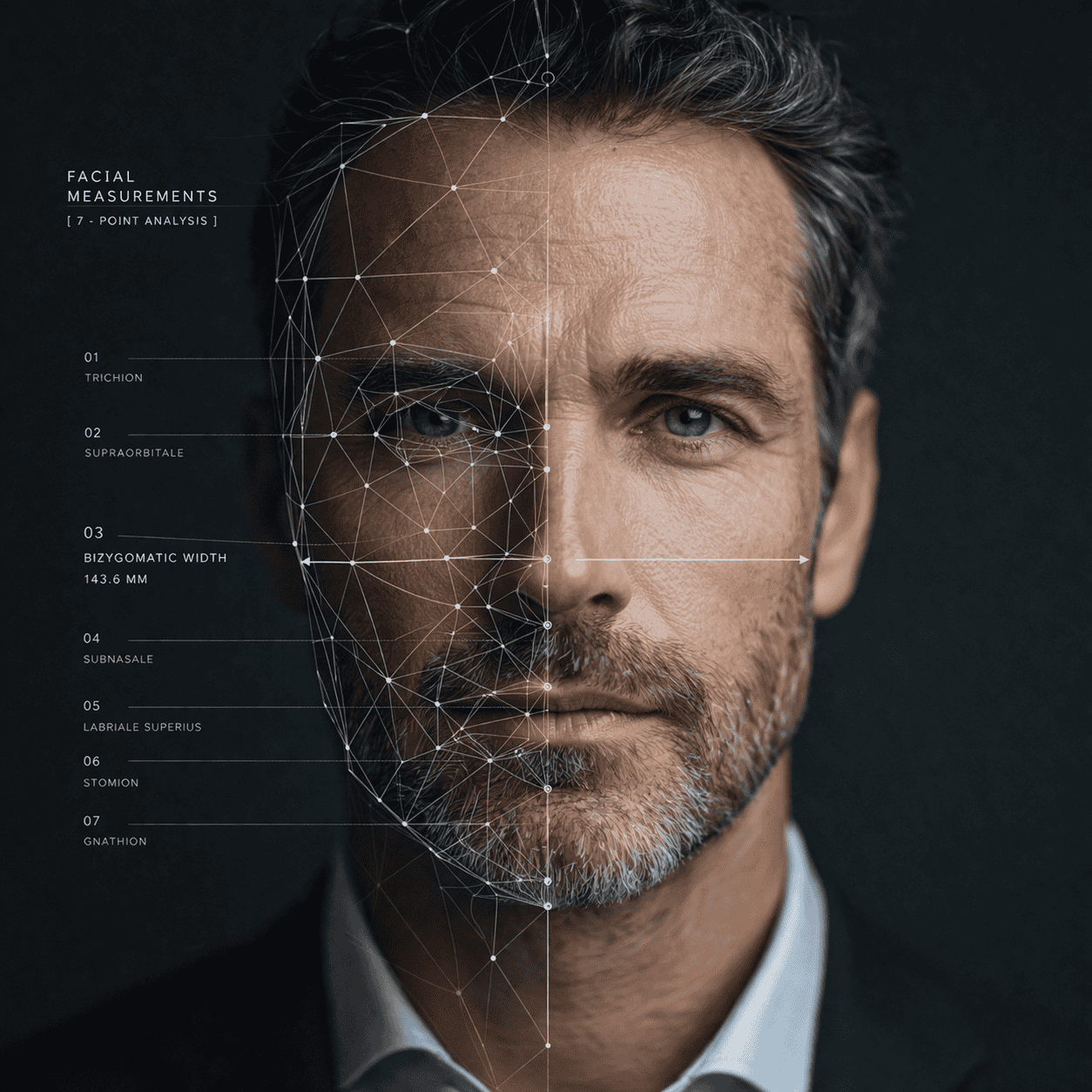
Ai featured image created with Midjourney 7.0